As an EU citizen you can make your voice heard and demand a faster transition to animal-free methods! Sign the petition now →

Political priorities
Through democratic advocacy, political dialogue, fostering corporate relationships, and awareness raising, Project 1882 seeks to make a difference for the animals that are the most exploited and suffer the worst. We actively create solutions to problems faced by animals, and we always strive to reach the best possible outcomes. We want real change. Here are our ten political priorities for animals.
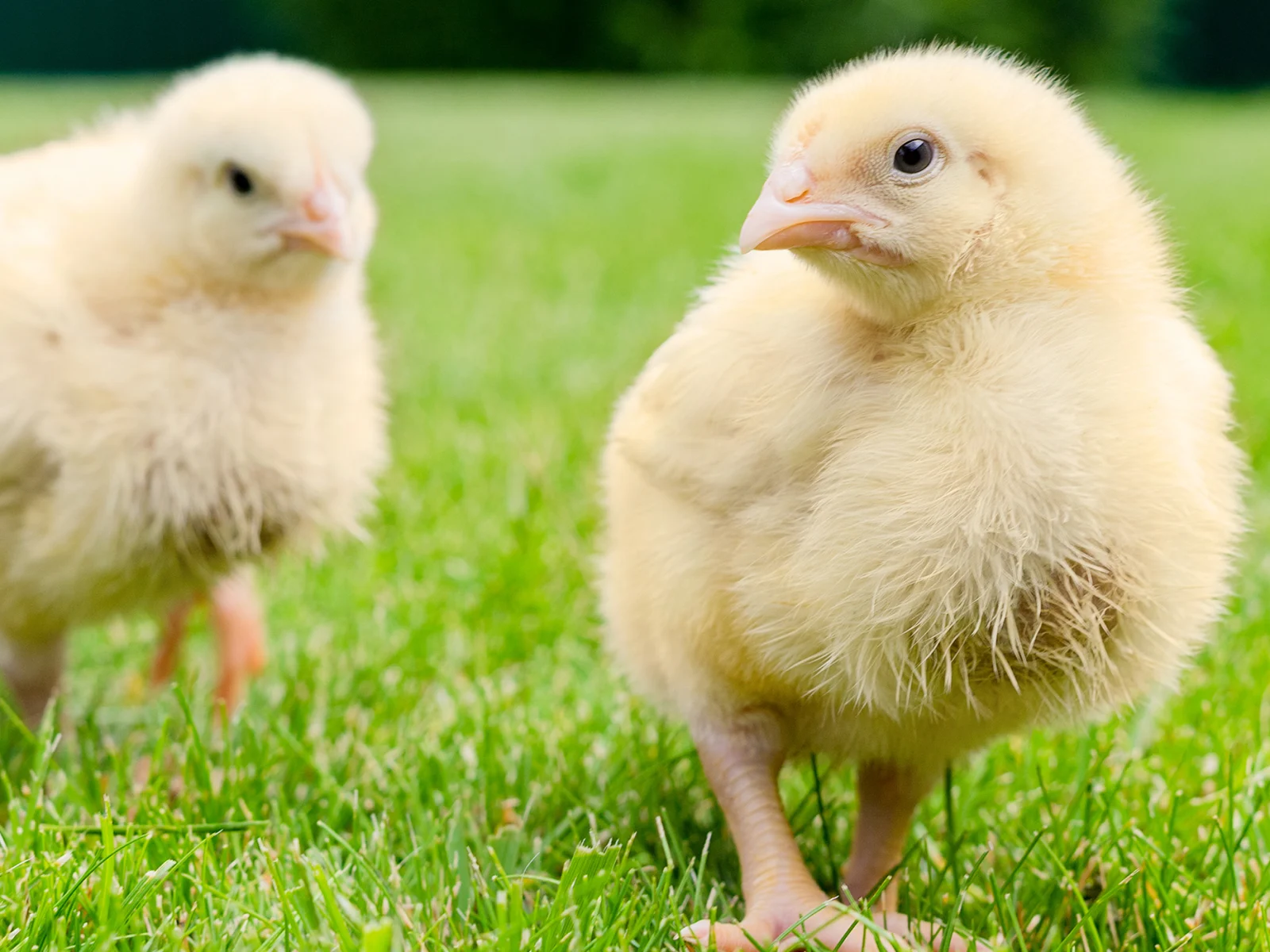
Ban Frankenchickens
Chickens are the land-living animals that are the most exploited and suffer the worst. The rearing of fast-growing chickens not only violates the principles of the Animal Welfare Act, but also amounts to systematic animal abuse. A statutory phase-out of the breeding and rearing of fast-growing chickens can be achieved, aligning with the Animal Welfare Act's breeding guidelines.

Ban cages for hens
Millions of hens have lived their lives confined in cages. In 2025 - following years of advocacy - we could confirm that the cages are finally gone, making Sweden unique in having become cage-free without a legislated ban. As long as cage rearing is not prohibited by Swedish law, there is a risk that the cages may return. Project 1882 therefore continues to advocate for a legislated ban on cage rearing of hens and to push for a ban throughout the EU.

Ban fur farming
In 2025 - as the result of decades of strategic advocacy - Sweden’s fur farming industry has come to a definitive end as every mink farm in the country has applied for government-funded decommissioning grants. Now, Project 1882 continues to work towards the next step: a formal legislative ban on fur farming in Sweden and in the EU.

Prioritise animal welfare – appoint an animal welfare minister
Animal welfare is constantly deprioritised when those with political responsibility must also promote the industry’s economic interests. Sweden must therefore establish an animal welfare minister and an animal welfare authority that stand up for animal protection and welfare. Giving animals a stronger voice within politics would reflect that ethical consideration for animals is a fundamental value in society and ensure that already existing legislation is put into practice.

Stop the mass killing of male chicks
Half of all hatched chicks in egg factories are male. Because they neither lay eggs nor grow fast enough for meat production, they are considered a waste product and are killed immediately after hatching. In Sweden, the figure is about six million male chicks each year. By using in-ovo sexing technology early on, the eggs could be used or discarded instead. Sweden needs to ban the killing of male chicks and support a transition to early-stage in-ovo sexing.

Promote animal-free research
To move away from outdated and painful animal experiments, Sweden needs to invest in completely animal-free research and testing methods and become a leader in Life Science. An action plan is also required for a phase-out. To increase and spread the knowledge, the financing of the Swedish 3R Center must be restored.

Improve animal welfare at slaughter
An end date for the use of painful stunning methods in slaughter needs to be set as soon as possible. More resources are also needed for research into alternatives to the painful carbon dioxide stunning of pigs and fish, as well as a requirement for camera surveillance in slaughterhouses.

Promote the production and consumption of plant-based food
A transition towards a more plant-based food system is central to making progress towards global goals. Project 1882 wants Sweden to set targets for greatly increased production and processing of plant-based food. Targets must cover the entire food system and be linked to concrete implementation strategies. Subsidies in food production need to support the transition to more plant-based production, instead of, as now, almost exclusively favouring the rearing of animals and animal feed production.

Reduce meat consumption significantly by 2030
Project 1882 advocates for Sweden to embrace the objective of substantially reducing meat consumption by 2030, with politically governed organisations at the forefront of the transition. Shifting towards a greater proportion of plant-based food creates economic flexibility to enforce stricter animal welfare standards on purchased animal products. By implementing stricter animal welfare criteria during procurement processes, overall levels of animal welfare can be improved.

Make the European Union’s new animal welfare legislation ambitious
Project 1882 wants the ongoing review of the European Union’s animal welfare legislation to yield ambitious and comprehensive laws that prioritise the welfare of animals. With a significant disparity between scientific research and existing legislation, the expectations are high that the review will bring substantial improvements. Project 1882 calls for an end to the export of live animals to countries outside the European Union, cages used in the food system in the EU to be phased out, and the introduction of a mandatory animal welfare labelling, among other measures.