

EU proposal on animal transport leaves more to be desired
On Thursday November 7th, the European Commission presented proposals for legislation on animal transport. The proposals include limits on transportation times, maximum temperatures and digital tools for tracking and tracing, and apart from a few glimmers of hope, the expectations of real improvements for the animals are small.
The legislative proposals on animal transport represent one of four legislative packages promised by the European Commission to be presented during 2023, but they have still not set a timeline for the other three – proposals for kept animals, slaughter and animal welfare labelling. To hold the European Commission accountable for this betrayal of Project 1882 recently submitted an official complaint to the European Ombudsman.
As the transport proposals were the only one of these four packages to make it all the way through, hopes were that these proposals would have been more ambitious than the draft that leaked last spring. This was not the case. For example, a proposal that could have made a huge difference - banning the export of live animals to third countries - was not included.
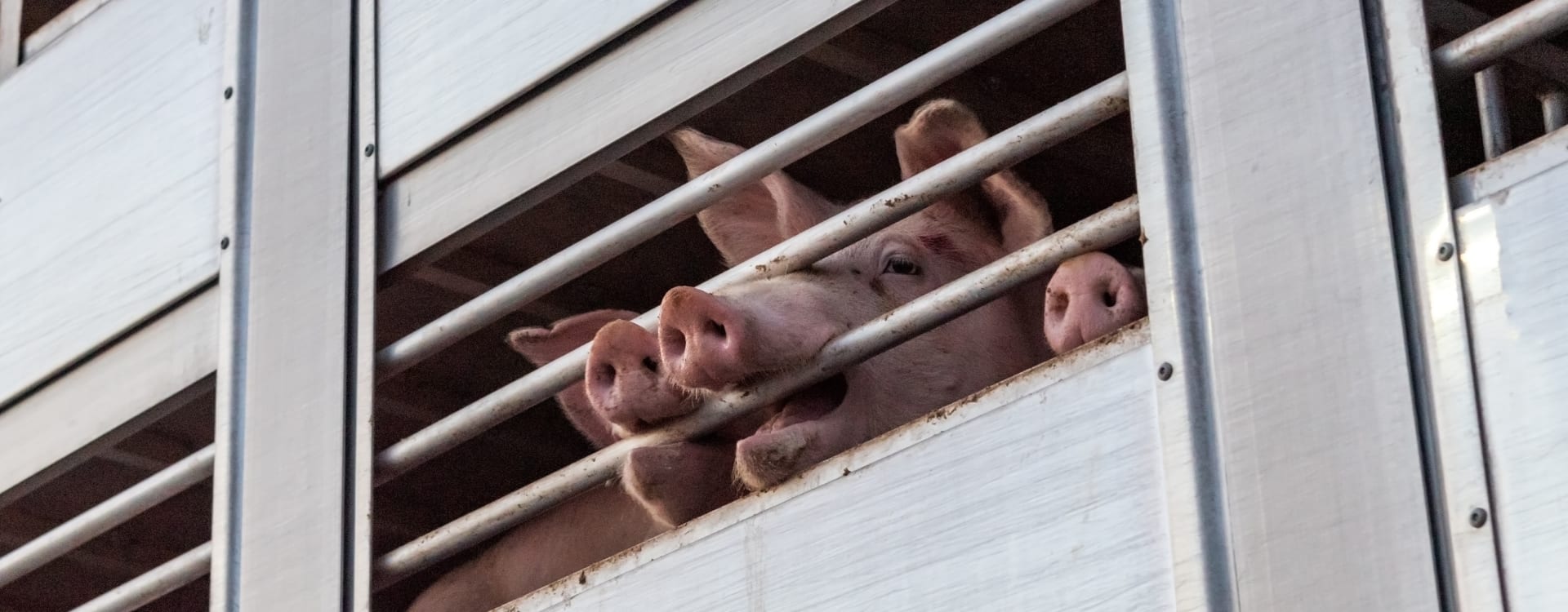
- It is very unfortunate that the European Commission is missing this opportunity to make major improvements for animals. Scandals of overheated animals in trucks and starving animals on drifting ships are a matter of great concern to EU citizens. It is truly regrettable that the Commission does not take more responsibility for this suffering, said Benny Andersson, CEO of Project 1882.
Otherwise, it is an inconsistent adaptation to the recommendations of the latest scientific opinions from EFSA, the European Food Safety Authority. In addition, some of the demands of ANIT, the European Parliament's committee on animal transport, have been ignored.
There are some positive elements, including shorter maximum travelling times for most species, updated rules on space, mandatory real-time traceability for all road transport and a minimum age of five weeks for the transport of unweaned calves.
- Although the proposals leave more to be desired, we are pleased that this was not postponed in the same way as the other legislative packages. We will now continue our work to ensure that the European Parliament and the Council of Ministers strengthen these proposals even more in the upcoming legislative process, Benny Andersson concludes.
Support our work for the animals
Project 1882 strives for a world where every life matters. By supporting our work, you help make that vision become a reality.