

How did mink farms disappear from Sweden?
For decades, millions of minks, foxes, and chinchillas were forced to live in small, confined cages and killed for their fur – all for fashion and status. Through relentless information campaigns and advocacy, Project 1882 shifted public opinion – and transformed the fur industry forever.
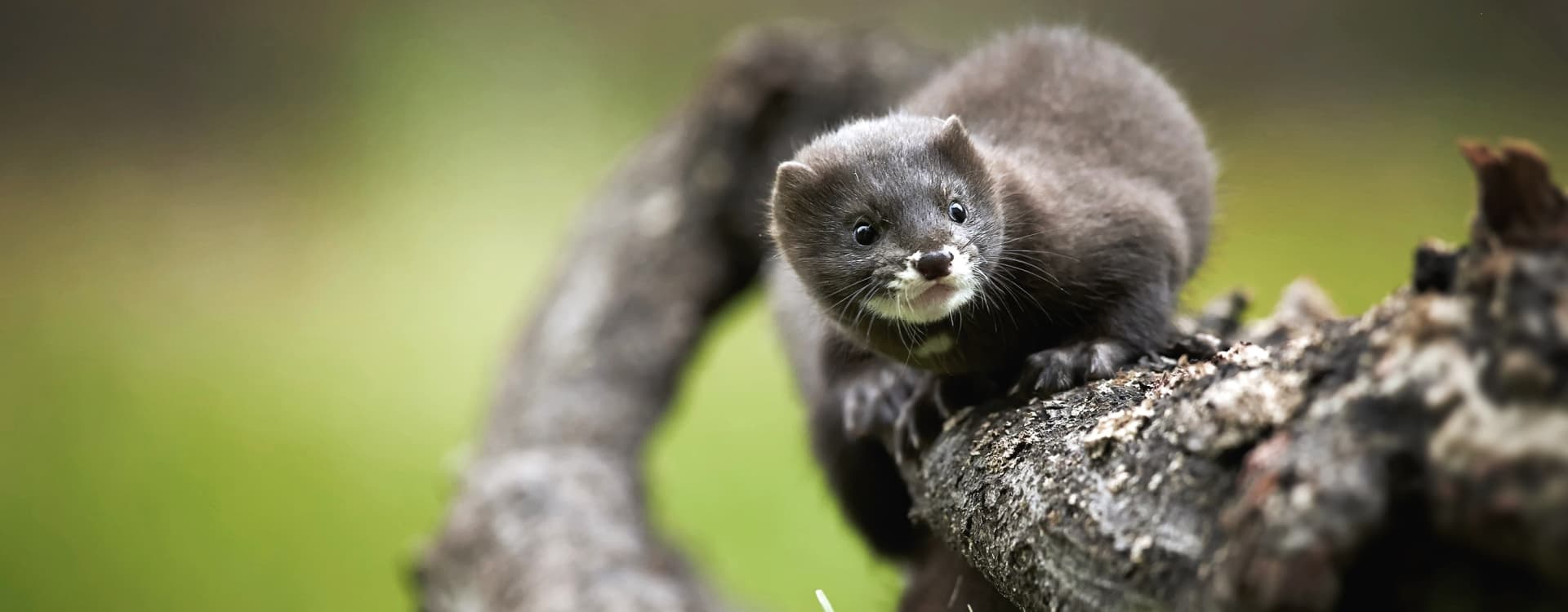
The story began in the 1920s, when the fur industry was introduced in Sweden and from then on grew rapidly. The industry reached its peak in the 1970s, with approximately 1,300 farms across the country, breeding and killing over two million animals each year. Millions of foxes, minks, and chinchillas were kept in cramped cages and killed to supply an industry where fur symbolized luxury.
– At the time, fur was uncontroversial. It was a status symbol – if you had a mink coat, you were rich and successful, says Benny Andersson, CEO of Project 1882.
Profit was the main a major driving force behind the rapid growth of mink farming.
– There was a strong demand, not least because many of the major fashion houses used large quantities of fur. They didn’t just sell mink products – fox and chinchilla, and basically every fur-bearing animal you could imagine for making clothes were also used, says Benny Andersson.
Even as the fur industry grew, opposition began to take shape. Project 1882 worked to shed light on the reality for the animals living on the fur farms. Information campaigns and articles in the media became vital tools in raising public awareness on the suffering behind the industry.
The turning point came in the 1970s and 1980s, when Project 1882 and other organizations began actively informing the public about the conditions for animals in the fur industry.
– Mink farming was almost unknown to the public, and there was an urgent need to shed light on how the animals were really living and being treated. There was a massive spread of information – not only about mink farming, but also about fox farms and seal hunting, says Benny Andersson.
For Project 1882, the closure of Sweden’s mink farms is a historic victory – but it is also just a milestone. The next step is a legal ban, both in Sweden and at the EU level, to ensure the industry does not rise from the grave.
Stay updated!
The animals need you now more than ever. Stay informed with urgent updates you won’t want to miss and exclusive tips on how to make a real difference – straight from Project 1882. Sign up for our monthly newsletter today!