


Important step towards ending animal tests for Botox
Mice continue to suffer in tests used to approve and sell Botox. Now, a European working group has been tasked to develop a roadmap for its gradual phase-out. Project 1882 welcomes the decision.
Botox is still tested on animals
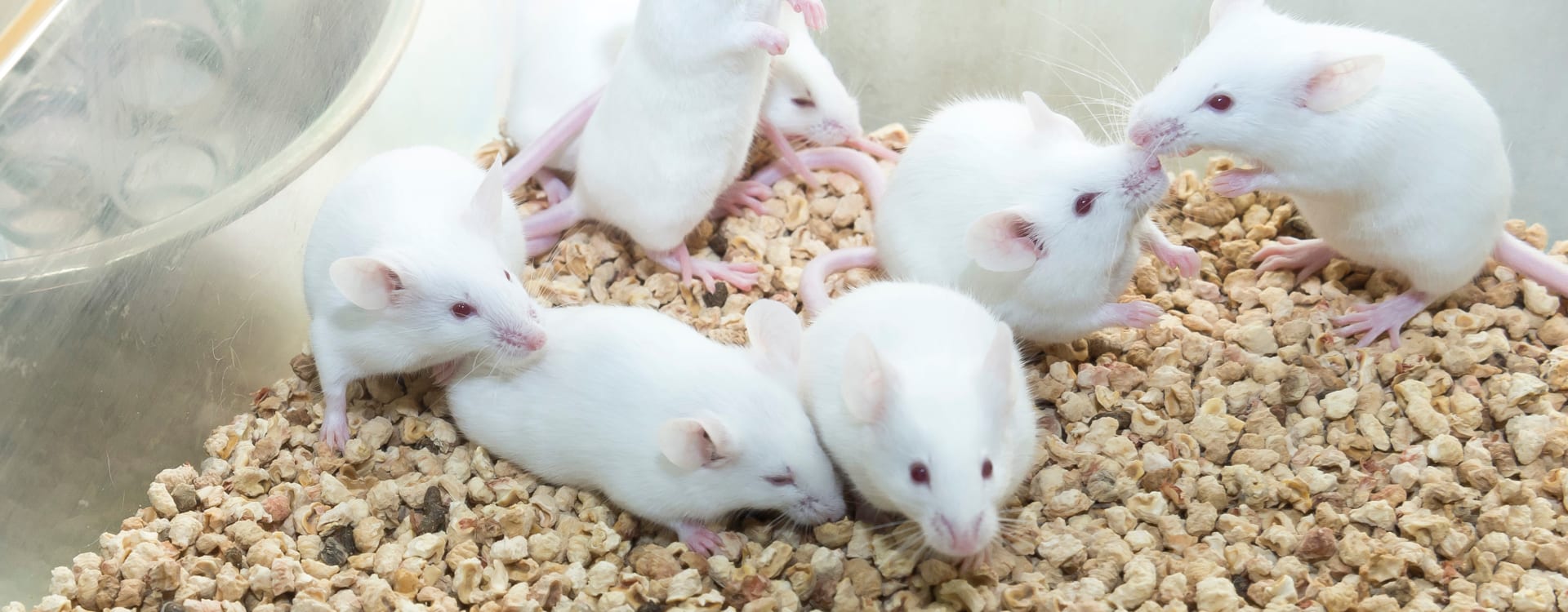
Botox, a botulinum toxin-based biological drug, is used both as a medicine and in cosmetic treatments. To meet regulatory requirements, animal testing takes place during manufacturing and for quality control of each production batch, and the LD50 (lethal dose 50%) test has long been the standard method. In this test, Botox is injected into mice to determine the dose that kills 50% of the animals.
Animals are still being used to test Botox products, enduring muscle spasms, breathing difficulties and prolonged suffering that can last for several days before death. This level of cruelty is completely unacceptable, says Benny Andersson, CEO of Project 1882.
The number of mice subjected to this fate each year remains unknown, as official statistics do not report LD50 testing separately.
It is therefore important to end this suffering, particularly regarding the growing market for aesthetic applications and the availability of animal-free testing methods.
Animal-free methods already exist
Several manufacturers have already developed and implemented animal-free in vitro methods that have replaced the LD50 test for routine potency testing of their products. Despite these advances, no animal-free method has yet been officially established as the new default standard.
Encouragingly, the European Pharmacopoeia Commission has decided to reactivate the Botulinum Toxin Working Party. The group's goal is to develop a roadmap for the gradual phase-out of the mouse LD50 test for botulinum toxins.
The roadmap could affect the lives of thousands of animals each year and represents an important step towards replacing severe animal experiments with animal-free testing methods.
While the initiative is a step in the right direction, its true impact on animals will only become clear once the roadmap is published, says Benny Andersson.
Stay informed!
We’ll report on any new developments. Sign up for our monthly newsletter today and never miss an update!