

More Swedish municipalities move away from turbo chickens
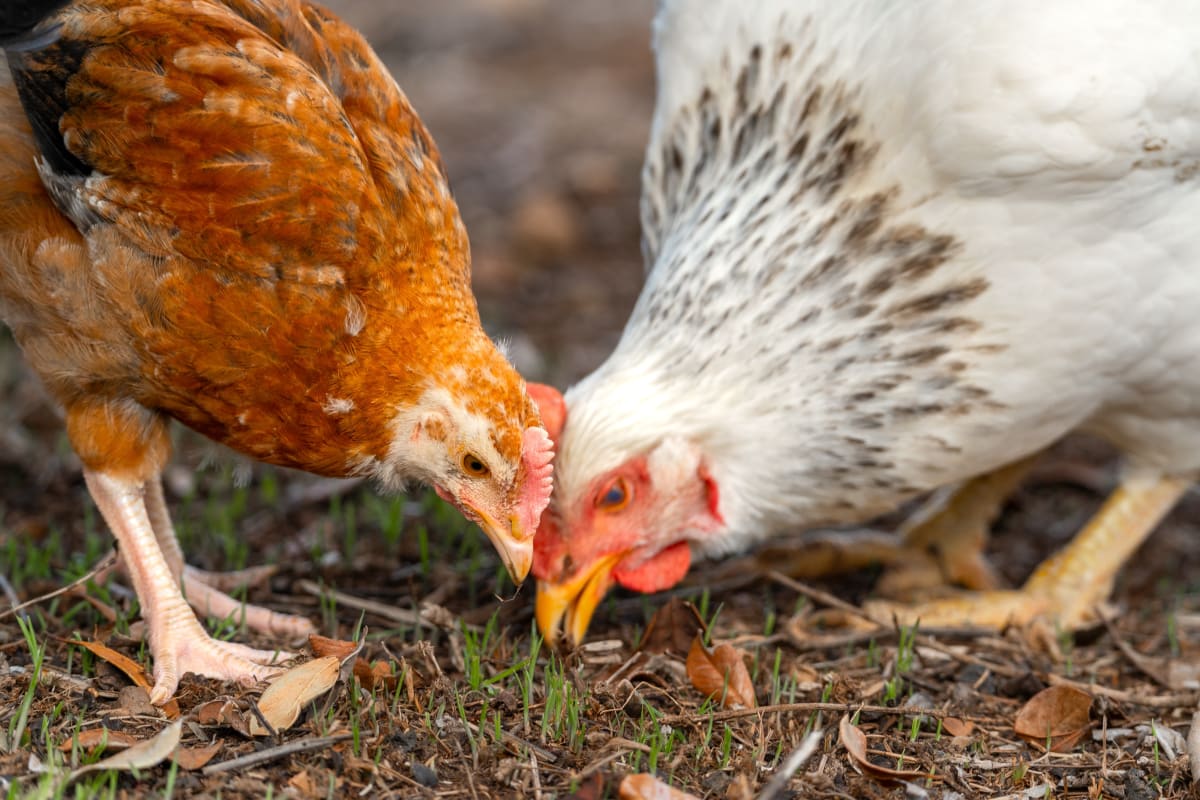
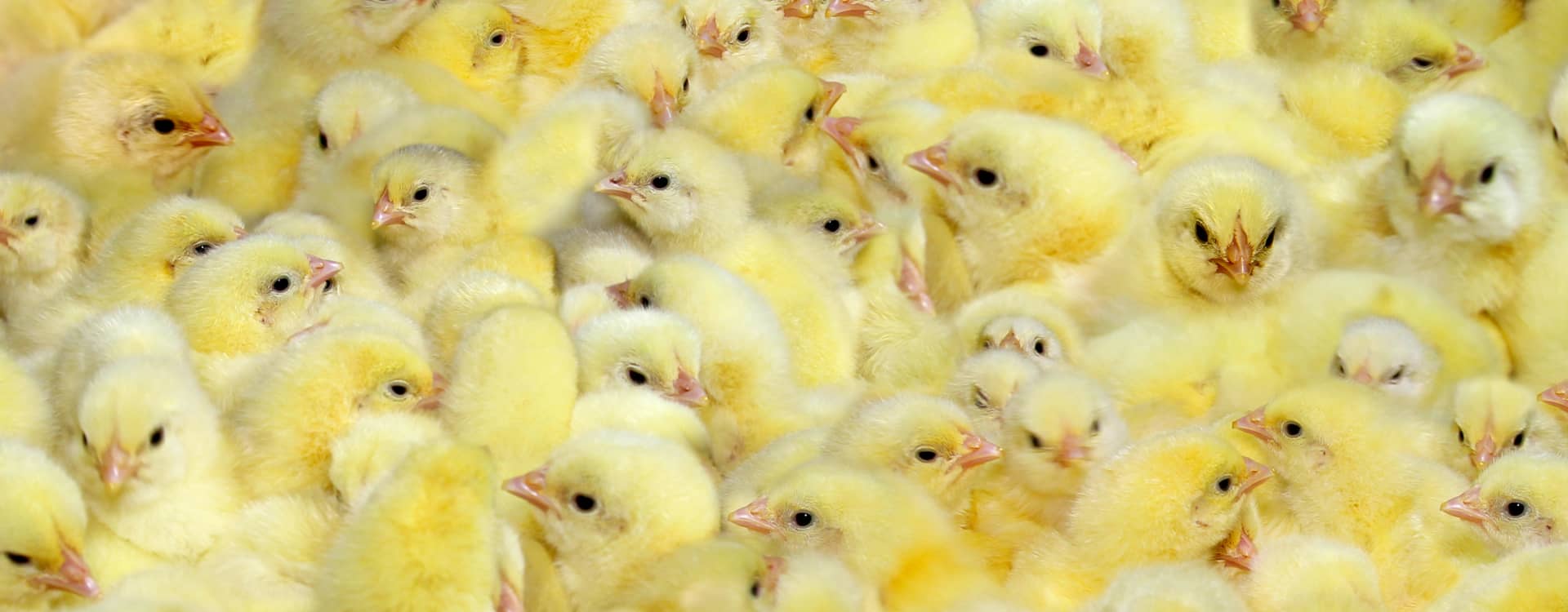
The number of Swedish municipalities requiring higher welfare chicken meat continues to grow. New figures from Project 1882 show that public procurement is increasingly being used to drive a shift away from fast-growing turbo chickens towards slower-growing breeds with better welfare outcomes.
Local governments across Sweden are serving millions of meals every year in schools, preschools and care facilities. As a result, municipal procurement policies have become an important tool for improving farmed animal welfare.
According to the latest results from the annual Animal-Friendly Municipality survey, around one quarter of responding municipalities now either require, or plan to require, chicken meat from slower-growing breeds when purchasing food. This represents a clear increase from the previous year and continues a positive trend that has emerged over recent years.
"The clearest change we see this year is that more municipalities are introducing procurement requirements for slower-growing chicken breeds," says Cecilia Mille, Sustainability Specialist at Project 1882. "This is an extremely important step in putting pressure on the industry to move away from turbo chickens."
The survey also found strong engagement among municipalities on the issue of chicken welfare. Several municipalities reported frustration that products meeting higher welfare standards are still not widely available for large-scale catering operations, indicating that demand is outpacing supply.
One municipality that exemplifies the trend is Perstorp, this year's ranking winner, which strengthened its procurement requirements for chicken meat during the past year and introduced a requirement that at least 20 % of purchased chicken meat should come from slower-growing breeds. Similar initiatives are appearing in municipalities across the country.
Plant-based progress continues alongside welfare improvements
The findings also show that Swedish municipalities continue efforts to reduce their reliance on animal products. Nearly half of responding municipalities reported reducing servings of meat during the previous year, while the share reporting reductions in chicken meat consumption increased compared with the previous year.
Although the pace of the plant-based transition appears to be slowing, the overall direction remains unchanged. Many municipalities have already implemented substantial reforms over the past decade and are now building on those achievements through both procurement policies and menu development.
Public procurement can accelerate industry change
The Swedish experience demonstrates how public procurement can help transform food systems and improve the lives of millions of chickens. As more municipalities adopt higher welfare procurement standards, suppliers face growing incentives to increase the availability of slower-growing chicken products and reduce reliance on breeds associated with severe welfare problems.
For advocates seeking to end the use of turbo chickens, the message from Sweden is clear: local governments can be powerful drivers of change.